How Mental Health Affects Academic Performance and CGPA
In the fast-paced world of academics, students are constantly juggling assignments, exams, and extracurricular activities. While the pressure to maintain a high GPA or CGPA is a major driving force, it’s often the silent struggle of mental health that can influence academic outcomes the most.
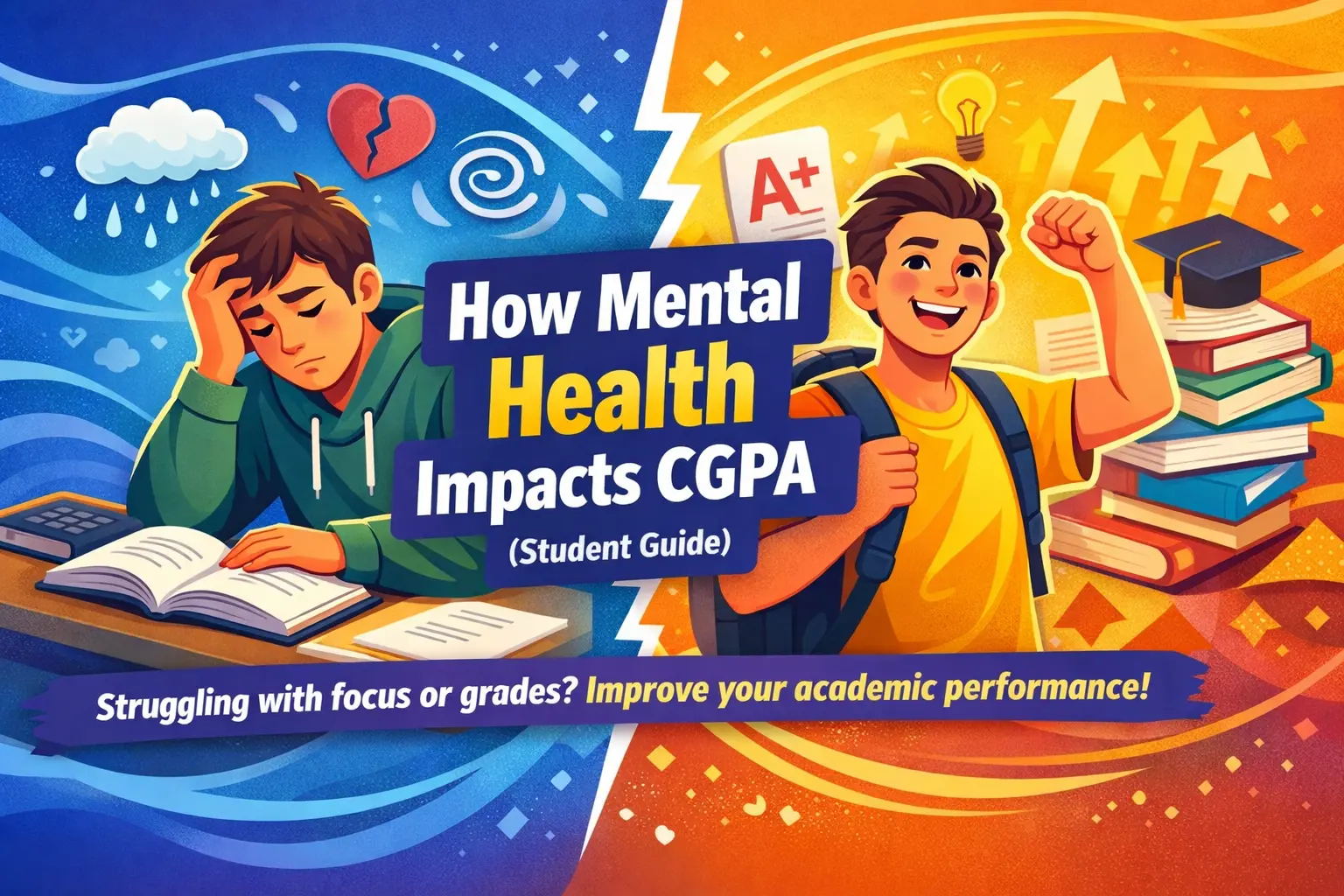
Mental health and academic performance are deeply interconnected, and understanding this relationship is crucial for students striving for academic success. According to the World Health Organization, mental health is a fundamental component of overall health and well-being.
The Link Between Mental Health and Academic Performance
Mental health plays a pivotal role in shaping a student’s academic journey. When a student is mentally healthy, they are more likely to excel in their studies, manage stress, and develop effective study habits. On the other hand, poor mental health can lead to a range of academic challenges, from decreased focus to lower grades.
Impact of Mental Health on Grades
Mental health challenges, such as anxiety, depression, and stress, can manifest in various ways that affect academic performance. Students struggling with their mental health may experience difficulty concentrating, fatigue, lack of motivation, and impaired memory. All of these symptoms can have a negative impact on study habits, leading to a drop in academic performance and CGPA.
For instance, a constantly anxious student may find it hard to focus during lectures or retain information, making it challenging to perform well in exams. Depression can lead to a lack of interest in schoolwork, which can result in missed assignments or low exam scores. These academic setbacks can accumulate, negatively affecting the student’s CGPA.
How Mental Health Affects CGPA
Your CGPA (Cumulative Grade Point Average) reflects the consistency of your academic performance over time. When mental health issues are present, the regularity and quality of academic performance may suffer. A student who struggles with mental health may find it harder to keep up with coursework, attend classes regularly, or complete assignments on time. This can lead to lower grades, which ultimately affects their overall CGPA.
"One real-life scenario involves Sarah, a first-year student who felt overwhelmed with the transition to university life. She experienced anxiety that made it difficult to focus on her studies. Despite her best efforts, Sarah’s CGPA suffered because her mental health challenges interfered with her ability to perform consistently across all her subjects."
Study Habits and Focus: The Mental Health Connection
Effective study habits and sustained focus are essential for academic success. However, mental health problems can disrupt these essential traits. Mayo Clinic research suggests that mental well-being is a key predictor of academic outcomes.
A student dealing with mental health issues may find it difficult to maintain focus for long periods, which is crucial for studying efficiently. Poor mental health can lead to procrastination, lack of concentration, and difficulty completing assignments on time.
Let’s take the example of Tom, a student with ADHD and anxiety. He often found himself distracted in class and struggled to focus during study sessions. As a result, his productivity was low, and his grades started to slip. In situations like Tom’s, mental health management becomes an important part of improving academic outcomes and CGPA.
The Role of Educational Institutions in Supporting Mental Health
Universities and colleges play a significant role in supporting students’ mental health. Many institutions have counseling services, mental health support groups, and digital support systems aimed at helping students manage stress and academic challenges.
Some institutions even provide programs designed to integrate mental health support with academic resources. This may include workshops on stress management, mindfulness, and time management to help students balance academic and personal challenges. Moreover, in some cases, universities have systems in place to ensure that students facing mental health challenges receive the accommodations they need to succeed.
It’s also worth mentioning that some universities work closely with third-party providers to offer mental health services, including billing management. For example, mental health billing services help institutions manage the logistics and payment aspects of mental health care, ensuring that students have access to necessary support. However, the ultimate focus of these systems is to provide a healthy and supportive environment for academic success, not just the financial aspect of care.
Tips to Improve CGPA Through Better Mental Health
Improving mental health can lead to improved study habits, better focus, and ultimately a higher CGPA. Here are a few strategies students can adopt to take care of their mental health while working towards academic excellence:
1. Practice Self-Care and Stress Management
Maintaining good mental health starts with taking care of yourself. Make sure to get enough sleep, eat balanced meals, and engage in physical activities like walking, running, or yoga. These practices can reduce stress and help you stay focused during study sessions.
2. Develop a Structured Study Routine
Creating a well-organized study plan can reduce feelings of overwhelm. Break down tasks into smaller, manageable goals and allocate time for rest and relaxation. Consistency in your study routine can improve focus and reduce procrastination, two major factors that impact academic performance.
3. Utilize Mental Health Resources on Campus
Many universities offer counseling services, stress-relief programs, and peer support groups. Don’t hesitate to reach out to these resources if you’re struggling. Speaking with a counselor or therapist can help you manage stress, anxiety, or any mental health issues you may be facing.
4. Set Realistic Goals and Expectations
It’s important to set achievable goals and not overburden yourself with unrealistic expectations. Remember that it’s okay to ask for help when needed. Having realistic expectations will reduce pressure and anxiety, allowing you to perform better academically.
5. Practice Mindfulness
Mindfulness and meditation can significantly improve focus, reduce stress, and enhance emotional well-being. Set aside a few minutes each day to practice mindfulness, and you’ll notice an improvement in your ability to concentrate and manage your emotions.
6. Seek Social Support
Having a strong support system is essential for maintaining mental well-being. Whether it’s friends, family, or support groups, connecting with others can provide comfort during stressful times. Talking about your challenges with others can also help reduce the emotional burden and improve your mental clarity.
Conclusion: Mental Health is Key to Academic Success
Mental health is undeniably linked to academic performance. Whether you’re struggling with stress, anxiety, or depression, it’s important to recognize how these challenges can impact your grades and CGPA. By managing mental health, developing healthy study habits, and utilizing available resources, students can enhance their academic performance and set themselves up for success.
Remember that academic success isn’t just about grades; it’s about maintaining a balanced and healthy mindset. If you focus on your mental well-being, you’ll be better equipped to manage the demands of university life and reach your academic goals.